AI & LLM SEO
AI & LLM SEO
AEO vs SEO: Key Differences and How to Measure Performance
AEO vs SEO: Key Differences and How to Measure Performance
Google AI Overviews alone reach more than 2 billion monthly users, showing how quickly AI-generated answers are becoming the default search experience.

Ashish Kamathi, SEO Expert

Search is no longer just about ranking links. It is becoming answer-driven, powered by AI, and used by billions of people every month. Google AI Overviews alone reach more than 2 billion monthly users, showing how quickly AI-generated answers are becoming the default search experience. This shift is also why many businesses are now comparing AEO vs SEO strategies to understand which approach drives better visibility in modern search.
User behaviour is changing with it. Nearly 60% of searches now result in no clicks, as users get answers directly on the search page. AI-driven search traffic is also expected to surpass traditional search traffic by 2028, signalling a major shift in how visibility is earned online and why Answer Engine Optimization (AEO) is increasingly discussed alongside traditional SEO.
Businesses are already adapting. Almost 70% report higher ROI from using AI in SEO, while around 35% of Gen Z users in the U.S. now rely on AI chatbots to search for information. With Google expanding AI Mode to over 200 countries and territories across more than 35 languages, search is clearly entering a new, AI-first era.
What Is SEO? A Quick Refresher
SEO, or Search Engine Optimization, is the process of improving a website to increase its visibility in organic search results on platforms like Google. The goal is to attract qualified traffic without relying on paid ads. Strong SEO helps build brand authority and improves the overall user experience.
SEO works by aligning content and websites with how search engines evaluate and rank pages. When done right, it helps search engines understand what a page is about and when to show it to users.
The core pillars of SEO include:
On-page SEO: This focuses on optimizing individual pages. It includes content quality, titles, meta descriptions, and heading structure.
Off-page SEO: This builds authority through backlinks and mentions from other trusted websites.
Technical SEO: This improves how search engines crawl and index a site. It includes site speed, mobile friendliness, and a clean structure.
Keyword Research: This identifies the words and phrases people search for, so content matches real user intent.
What is Answer Engine Optimization (AEO)?
Answer Engine Optimization, or AEO, is an advanced SEO strategy that focuses on structuring content so it can be directly pulled and displayed as clear answers by AI-powered search engines and voice assistants. Instead of ranking links, AEO aims to satisfy immediate user intent by making your content the answer users see in featured snippets, AI summaries, and voice responses.
Help your content become the direct answer to common questions
Secure position zero through featured snippets and AI-generated overviews
Optimize content for conversational and voice-based searches
Build authority so AI systems trust and reference your brand
How SEO and AEO Differ at a Fundamental Level
SEO and AEO differ fundamentally in how visibility is achieved. When analysing AEO vs SEO differences, the key distinction is how users interact with information. SEO focuses on bringing users to a website through ranked links, while AEO focuses on delivering direct answers inside AI-driven interfaces where users may not need to click.
SEO prioritizes website traffic, while AEO prioritizes answer visibility
SEO ranks blue links, while AEO targets position zero and AI summaries
SEO depends on clicks, while AEO often delivers zero-click results
SEO serves traditional search behaviour, while AEO serves conversational and voice queries
AEO vs SEO: Side-by-Side Comparison
Dimension | SEO (Search Engine Optimization) | AEO (Answer Engine Optimization) |
Fundamental Goal | Rank higher in search results to earn clicks | Be chosen as the definitive answer, often without a click |
Core Question | “How do we get found?” | “How do we get chosen?” |
User Intent | Informational, transactional, or navigational research | Immediate, conversational, and question-based intent |
Query Type | Broad searches and comparison-driven queries | Direct questions like “what,” “how,” “why,” or “who” |
Content Structure | Long-form, in-depth content covering a topic fully | Short, clear answers in Q&A, lists, or step-by-step format |
Typical Content Length | 1,000–2,000+ words | 40-60 word direct answers with supporting context |
Technical Priorities | Backlinks, site architecture, indexing, page speed | Schema markup, NLP clarity, entity-based optimization |
Visibility Format | Blue links in SERPs | Featured snippets, AI summaries, voice responses |
User Journey | Search → Click → Browse → Convert | Ask → Get Answer (often zero-click) |
Success Metrics | Rankings, organic traffic, CTR | Snippet ownership, AI citations, brand mentions |
How Search Engines and Answer Engines Work
Search engines like Google and Bing organize information using a simple three-step process. This system is designed to discover, understand, and rank content for users. Businesses that want to adapt to AI-driven search often combine traditional SEO with AI visibility strategies that help content appear in both search engines and AI answer engines.
First, search engines crawl the web. Automated bots scan pages, follow links, and discover new or updated content.
Next, they index the content. Pages are stored and categorised so the engine understands topics, keywords, and page purpose.
Finally, ranking happens. When someone searches, algorithms sort indexed pages based on relevance, authority, location, and language.
Answer engines work differently because their goal is to provide a direct response. Platforms like ChatGPT, Gemini, and voice assistants focus on answering questions, not listing links.
They start with query understanding. Instead of matching keywords, they analyse the intent behind the question using natural language processing.
Next comes information synthesis. The engine pulls data from multiple sources and combines it into a single, clear answer.
This leads to zero-click results, where users get the information they need without visiting a website.
When SEO Works Best
SEO works best as a long-term strategy, not a quick fix. Results usually build over time as search engines recognise improvements in content quality, site structure, and authority.
3 to 6 months: Initial gains appear after technical fixes, on-page optimization, and targeting low-competition keywords. Early improvements in rankings and traffic are common during this phase.
6 to 12 months and beyond: Consistent content creation and backlink growth help establish authority and drive sustained, high-volume organic traffic.
When user experience is prioritised: Fast load times, mobile-friendly design, and clear navigation improve engagement and strengthen SEO performance.
When content matches intent: Pages that clearly answer informational or transactional needs perform better than keyword-focused content alone.
When AEO Works Best
Answer-focused optimization performs best when content is written to respond clearly and directly to specific questions. It works especially well in AI-driven environments where users expect fast, accurate answers instead of long explanations.
Conversational and long-tail searches: They are most effective for queries with 4 or more words that sound like natural questions.
Short and direct answers: Content that delivers clear responses in about 40 to 60 words is more likely to appear in AI summaries.
Structured and scannable content: Using schema markup, bullet points, and simple formatting helps AI systems extract answers easily.
Information-rich pages: Unique data, expert insight, and added context improve visibility and trust.
Voice and AI-based searches: This approach works well for voice assistants and AI overviews where users expect instant answers.
Strong brand credibility: Consistent, authoritative content across platforms increases the likelihood of selection and citation.
The Role of AI in Accelerating AEO
AI shifts the goal from ranking pages to becoming a trusted source that AI systems cite in their responses. This shift is driving the need for tools that measure AI search visibility and track how brands appear across platforms like ChatGPT, Gemini, and Perplexity.
AI drives the rise of zero-click searches by delivering complete answers on the results page.
Natural language processing helps AI understand complex and conversational queries.
AI favours structured content such as FAQs, headings, and bullet points for easier extraction.
Schema markup helps AI verify and interpret content more accurately.
Trust signals and expert-led content influence which brands AI chooses to cite.
AI expands visibility beyond text by combining content from images, videos, and pages.
AI analytics tools replace traffic-only metrics by tracking mentions, citations, and visibility.
How to Optimize Content for AEO
Step 1. Structure content for direct answers
Start each section with a clear 40 to 60-word answer to a specific question. Follow it with supporting details for context. This format helps AI systems extract answers and improves visibility in featured snippets and AI summaries.
Step 2. Use conversational keywords
Focus on long-tail phrases that match how people speak. Natural language performs better than short, generic keywords.
Step 3. Implement schema markup
Add structured data like FAQ, HowTo, Article, or Product schema to help AI systems understand your content.
Step 4. Create content hubs and FAQs
Build in-depth topic pages and include FAQ sections to cover common questions clearly and completely.
Step 5. Enhance readability
Use H2 and H3 headings, bullet points, and tables to make content easy to scan and extract.
Step 6. Optimize for freshness and authority
Show updated dates, expert authorship, and accurate information to build trust with AI systems.
Step 7. Prioritise technical performance
Ensure pages load quickly and work well on mobile devices to support better AI parsing and visibility.
How to Measure AEO and SEO Performance
Measuring AEO and SEO requires tracking both traditional search metrics and AI-driven visibility signals. Many teams now compare AEO vs SEO performance side by side to understand how AI search and traditional search contribute to overall visibility and ROI. Use tools like Google Search Console (GSC) for SEO and Vryse for AEO.
Checklist for Measuring SEO Performance
Track keyword rankings and impressions in Google Search Console
Monitor organic traffic and click-through rates
Review indexed pages and crawl issues regularly
Measure page experience, mobile usability, and site speed
Track conversions and goal completions from organic traffic
Checklist for Measuring AEO Performance
Monitor brand mentions and citation frequency in AI-generated answers
Track share of voice across AI platforms and answer engines
Review the sentiment of AI responses where your brand appears
Analyse referral traffic from AI-driven sources when available
Use AI visibility tools like Vryse to centralise AEO metrics
How Vryse Helps Brands Win at SEO and AEO
Vryse helps brands grow visibility across both traditional search engines and AI-powered platforms. It is built for teams that want results from SEO and AEO, not just rankings.
Unified Visibility Across Search and AI
Track how your brand appears across Google Search and LLMs in real time
Monitor visibility on platforms like ChatGPT, Gemini, and Perplexity
Measure performance from both SEO and AEO in one dashboard
Competitive Intelligence and Opportunity Discovery
Identify where competitors are gaining visibility and why
Uncover content gaps and missed intent opportunities
Use AI-powered insights to prioritise high-impact actions
Instant Optimization and Faster Results
Fix content gaps with clear, data-backed recommendations
Improve SEO and AEO performance without manual guesswork
Iterate and optimize continuously based on live visibility signals
End-to-End SEO and AEO Execution
Conduct industry and market analysis to guide strategy
Map user intent and define measurable KPIs from the start
Build ICP-driven keyword and content strategies
Create content designed for rankings and direct answers
Run technical audits and implement fixes regularly
Transparent, Flexible, and Results-Driven Approach
Focus on organic growth through SEO, AEO, and AI visibility
Offer flexible monthly subscriptions with no long-term lock-in
Set clear success benchmarks and report progress consistently
Help brands achieve up to 300% growth in organic traffic
Search is no longer just about ranking links. It is becoming answer-driven, powered by AI, and used by billions of people every month. Google AI Overviews alone reach more than 2 billion monthly users, showing how quickly AI-generated answers are becoming the default search experience. This shift is also why many businesses are now comparing AEO vs SEO strategies to understand which approach drives better visibility in modern search.
User behaviour is changing with it. Nearly 60% of searches now result in no clicks, as users get answers directly on the search page. AI-driven search traffic is also expected to surpass traditional search traffic by 2028, signalling a major shift in how visibility is earned online and why Answer Engine Optimization (AEO) is increasingly discussed alongside traditional SEO.
Businesses are already adapting. Almost 70% report higher ROI from using AI in SEO, while around 35% of Gen Z users in the U.S. now rely on AI chatbots to search for information. With Google expanding AI Mode to over 200 countries and territories across more than 35 languages, search is clearly entering a new, AI-first era.
What Is SEO? A Quick Refresher
SEO, or Search Engine Optimization, is the process of improving a website to increase its visibility in organic search results on platforms like Google. The goal is to attract qualified traffic without relying on paid ads. Strong SEO helps build brand authority and improves the overall user experience.
SEO works by aligning content and websites with how search engines evaluate and rank pages. When done right, it helps search engines understand what a page is about and when to show it to users.
The core pillars of SEO include:
On-page SEO: This focuses on optimizing individual pages. It includes content quality, titles, meta descriptions, and heading structure.
Off-page SEO: This builds authority through backlinks and mentions from other trusted websites.
Technical SEO: This improves how search engines crawl and index a site. It includes site speed, mobile friendliness, and a clean structure.
Keyword Research: This identifies the words and phrases people search for, so content matches real user intent.
What is Answer Engine Optimization (AEO)?
Answer Engine Optimization, or AEO, is an advanced SEO strategy that focuses on structuring content so it can be directly pulled and displayed as clear answers by AI-powered search engines and voice assistants. Instead of ranking links, AEO aims to satisfy immediate user intent by making your content the answer users see in featured snippets, AI summaries, and voice responses.
Help your content become the direct answer to common questions
Secure position zero through featured snippets and AI-generated overviews
Optimize content for conversational and voice-based searches
Build authority so AI systems trust and reference your brand
How SEO and AEO Differ at a Fundamental Level
SEO and AEO differ fundamentally in how visibility is achieved. When analysing AEO vs SEO differences, the key distinction is how users interact with information. SEO focuses on bringing users to a website through ranked links, while AEO focuses on delivering direct answers inside AI-driven interfaces where users may not need to click.
SEO prioritizes website traffic, while AEO prioritizes answer visibility
SEO ranks blue links, while AEO targets position zero and AI summaries
SEO depends on clicks, while AEO often delivers zero-click results
SEO serves traditional search behaviour, while AEO serves conversational and voice queries
AEO vs SEO: Side-by-Side Comparison
Dimension | SEO (Search Engine Optimization) | AEO (Answer Engine Optimization) |
Fundamental Goal | Rank higher in search results to earn clicks | Be chosen as the definitive answer, often without a click |
Core Question | “How do we get found?” | “How do we get chosen?” |
User Intent | Informational, transactional, or navigational research | Immediate, conversational, and question-based intent |
Query Type | Broad searches and comparison-driven queries | Direct questions like “what,” “how,” “why,” or “who” |
Content Structure | Long-form, in-depth content covering a topic fully | Short, clear answers in Q&A, lists, or step-by-step format |
Typical Content Length | 1,000–2,000+ words | 40-60 word direct answers with supporting context |
Technical Priorities | Backlinks, site architecture, indexing, page speed | Schema markup, NLP clarity, entity-based optimization |
Visibility Format | Blue links in SERPs | Featured snippets, AI summaries, voice responses |
User Journey | Search → Click → Browse → Convert | Ask → Get Answer (often zero-click) |
Success Metrics | Rankings, organic traffic, CTR | Snippet ownership, AI citations, brand mentions |
How Search Engines and Answer Engines Work
Search engines like Google and Bing organize information using a simple three-step process. This system is designed to discover, understand, and rank content for users. Businesses that want to adapt to AI-driven search often combine traditional SEO with AI visibility strategies that help content appear in both search engines and AI answer engines.
First, search engines crawl the web. Automated bots scan pages, follow links, and discover new or updated content.
Next, they index the content. Pages are stored and categorised so the engine understands topics, keywords, and page purpose.
Finally, ranking happens. When someone searches, algorithms sort indexed pages based on relevance, authority, location, and language.
Answer engines work differently because their goal is to provide a direct response. Platforms like ChatGPT, Gemini, and voice assistants focus on answering questions, not listing links.
They start with query understanding. Instead of matching keywords, they analyse the intent behind the question using natural language processing.
Next comes information synthesis. The engine pulls data from multiple sources and combines it into a single, clear answer.
This leads to zero-click results, where users get the information they need without visiting a website.
When SEO Works Best
SEO works best as a long-term strategy, not a quick fix. Results usually build over time as search engines recognise improvements in content quality, site structure, and authority.
3 to 6 months: Initial gains appear after technical fixes, on-page optimization, and targeting low-competition keywords. Early improvements in rankings and traffic are common during this phase.
6 to 12 months and beyond: Consistent content creation and backlink growth help establish authority and drive sustained, high-volume organic traffic.
When user experience is prioritised: Fast load times, mobile-friendly design, and clear navigation improve engagement and strengthen SEO performance.
When content matches intent: Pages that clearly answer informational or transactional needs perform better than keyword-focused content alone.
When AEO Works Best
Answer-focused optimization performs best when content is written to respond clearly and directly to specific questions. It works especially well in AI-driven environments where users expect fast, accurate answers instead of long explanations.
Conversational and long-tail searches: They are most effective for queries with 4 or more words that sound like natural questions.
Short and direct answers: Content that delivers clear responses in about 40 to 60 words is more likely to appear in AI summaries.
Structured and scannable content: Using schema markup, bullet points, and simple formatting helps AI systems extract answers easily.
Information-rich pages: Unique data, expert insight, and added context improve visibility and trust.
Voice and AI-based searches: This approach works well for voice assistants and AI overviews where users expect instant answers.
Strong brand credibility: Consistent, authoritative content across platforms increases the likelihood of selection and citation.
The Role of AI in Accelerating AEO
AI shifts the goal from ranking pages to becoming a trusted source that AI systems cite in their responses. This shift is driving the need for tools that measure AI search visibility and track how brands appear across platforms like ChatGPT, Gemini, and Perplexity.
AI drives the rise of zero-click searches by delivering complete answers on the results page.
Natural language processing helps AI understand complex and conversational queries.
AI favours structured content such as FAQs, headings, and bullet points for easier extraction.
Schema markup helps AI verify and interpret content more accurately.
Trust signals and expert-led content influence which brands AI chooses to cite.
AI expands visibility beyond text by combining content from images, videos, and pages.
AI analytics tools replace traffic-only metrics by tracking mentions, citations, and visibility.
How to Optimize Content for AEO
Step 1. Structure content for direct answers
Start each section with a clear 40 to 60-word answer to a specific question. Follow it with supporting details for context. This format helps AI systems extract answers and improves visibility in featured snippets and AI summaries.
Step 2. Use conversational keywords
Focus on long-tail phrases that match how people speak. Natural language performs better than short, generic keywords.
Step 3. Implement schema markup
Add structured data like FAQ, HowTo, Article, or Product schema to help AI systems understand your content.
Step 4. Create content hubs and FAQs
Build in-depth topic pages and include FAQ sections to cover common questions clearly and completely.
Step 5. Enhance readability
Use H2 and H3 headings, bullet points, and tables to make content easy to scan and extract.
Step 6. Optimize for freshness and authority
Show updated dates, expert authorship, and accurate information to build trust with AI systems.
Step 7. Prioritise technical performance
Ensure pages load quickly and work well on mobile devices to support better AI parsing and visibility.
How to Measure AEO and SEO Performance
Measuring AEO and SEO requires tracking both traditional search metrics and AI-driven visibility signals. Many teams now compare AEO vs SEO performance side by side to understand how AI search and traditional search contribute to overall visibility and ROI. Use tools like Google Search Console (GSC) for SEO and Vryse for AEO.
Checklist for Measuring SEO Performance
Track keyword rankings and impressions in Google Search Console
Monitor organic traffic and click-through rates
Review indexed pages and crawl issues regularly
Measure page experience, mobile usability, and site speed
Track conversions and goal completions from organic traffic
Checklist for Measuring AEO Performance
Monitor brand mentions and citation frequency in AI-generated answers
Track share of voice across AI platforms and answer engines
Review the sentiment of AI responses where your brand appears
Analyse referral traffic from AI-driven sources when available
Use AI visibility tools like Vryse to centralise AEO metrics
How Vryse Helps Brands Win at SEO and AEO
Vryse helps brands grow visibility across both traditional search engines and AI-powered platforms. It is built for teams that want results from SEO and AEO, not just rankings.
Unified Visibility Across Search and AI
Track how your brand appears across Google Search and LLMs in real time
Monitor visibility on platforms like ChatGPT, Gemini, and Perplexity
Measure performance from both SEO and AEO in one dashboard
Competitive Intelligence and Opportunity Discovery
Identify where competitors are gaining visibility and why
Uncover content gaps and missed intent opportunities
Use AI-powered insights to prioritise high-impact actions
Instant Optimization and Faster Results
Fix content gaps with clear, data-backed recommendations
Improve SEO and AEO performance without manual guesswork
Iterate and optimize continuously based on live visibility signals
End-to-End SEO and AEO Execution
Conduct industry and market analysis to guide strategy
Map user intent and define measurable KPIs from the start
Build ICP-driven keyword and content strategies
Create content designed for rankings and direct answers
Run technical audits and implement fixes regularly
Transparent, Flexible, and Results-Driven Approach
Focus on organic growth through SEO, AEO, and AI visibility
Offer flexible monthly subscriptions with no long-term lock-in
Set clear success benchmarks and report progress consistently
Help brands achieve up to 300% growth in organic traffic
Frequently Asked Questions
Frequently Asked Questions
Do you need SEO or AEO? Or both?
You need both. SEO builds discoverability and authority, while AEO ensures your content appears as direct answers in AI and voice-driven search.
Is AEO replacing SEO?
No. AEO extends SEO. SEO creates the foundation that allows AEO to work effectively.
How do you measure AEO vs SEO performance?
The best way to measure AEO vs SEO performance side by side is by combining traditional SEO metrics such as rankings and traffic with AI visibility metrics like brand mentions, citations, and AI answer appearances.
Does AEO drive traffic to websites?
AEO often leads to zero-click visibility, but it increases brand trust and influences user decisions.
Related Articles
Related Articles
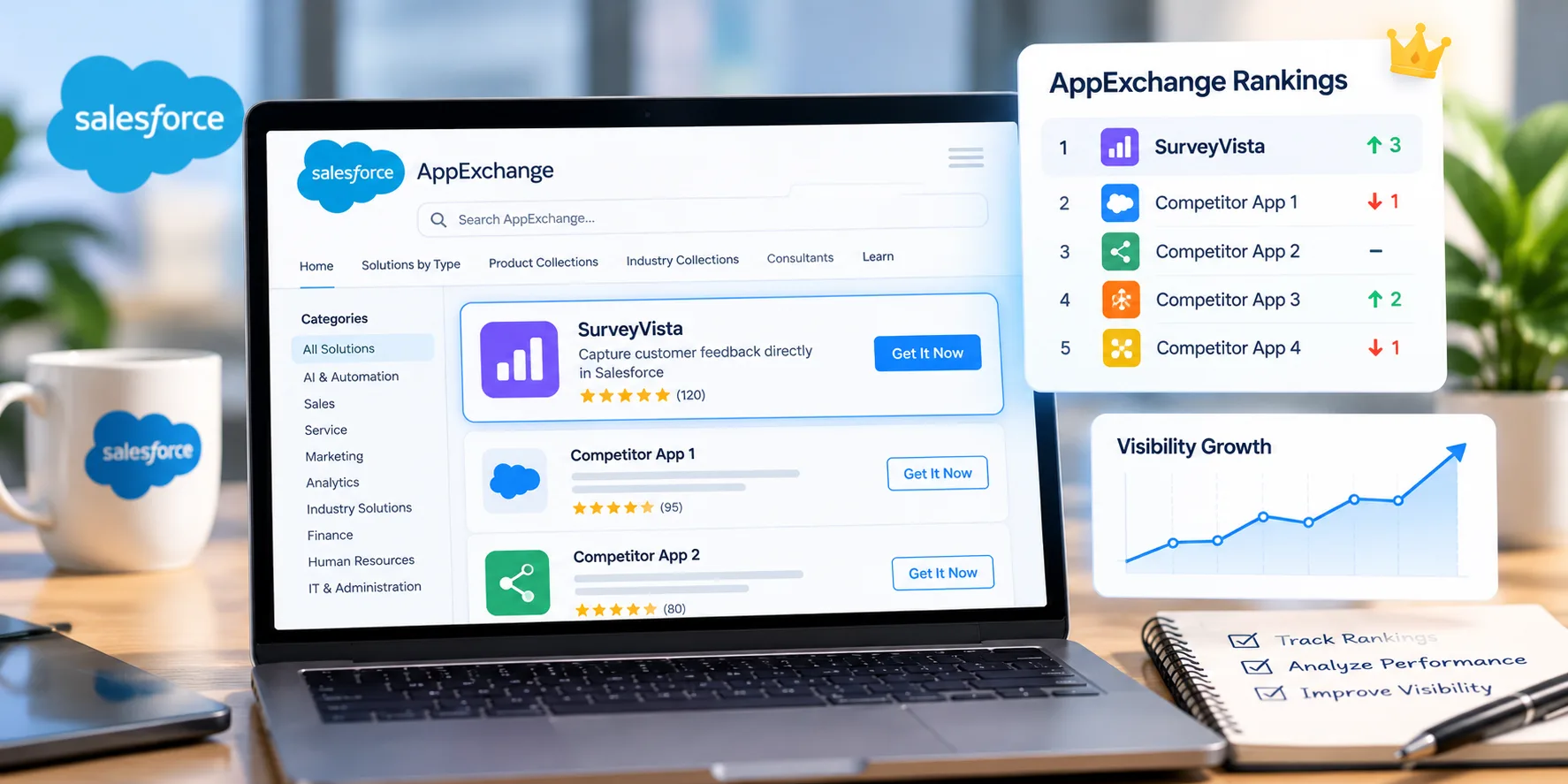
How to Track Salesforce AppExchange Rankings and Improve Your App’s Visibility
Track your AppExchange rankings, identify keyword opportunities, and optimize your Salesforce listing to improve marketplace visibility, attract qualified buyers, and drive more installs.
Ashish Kamathi, SEO Expert
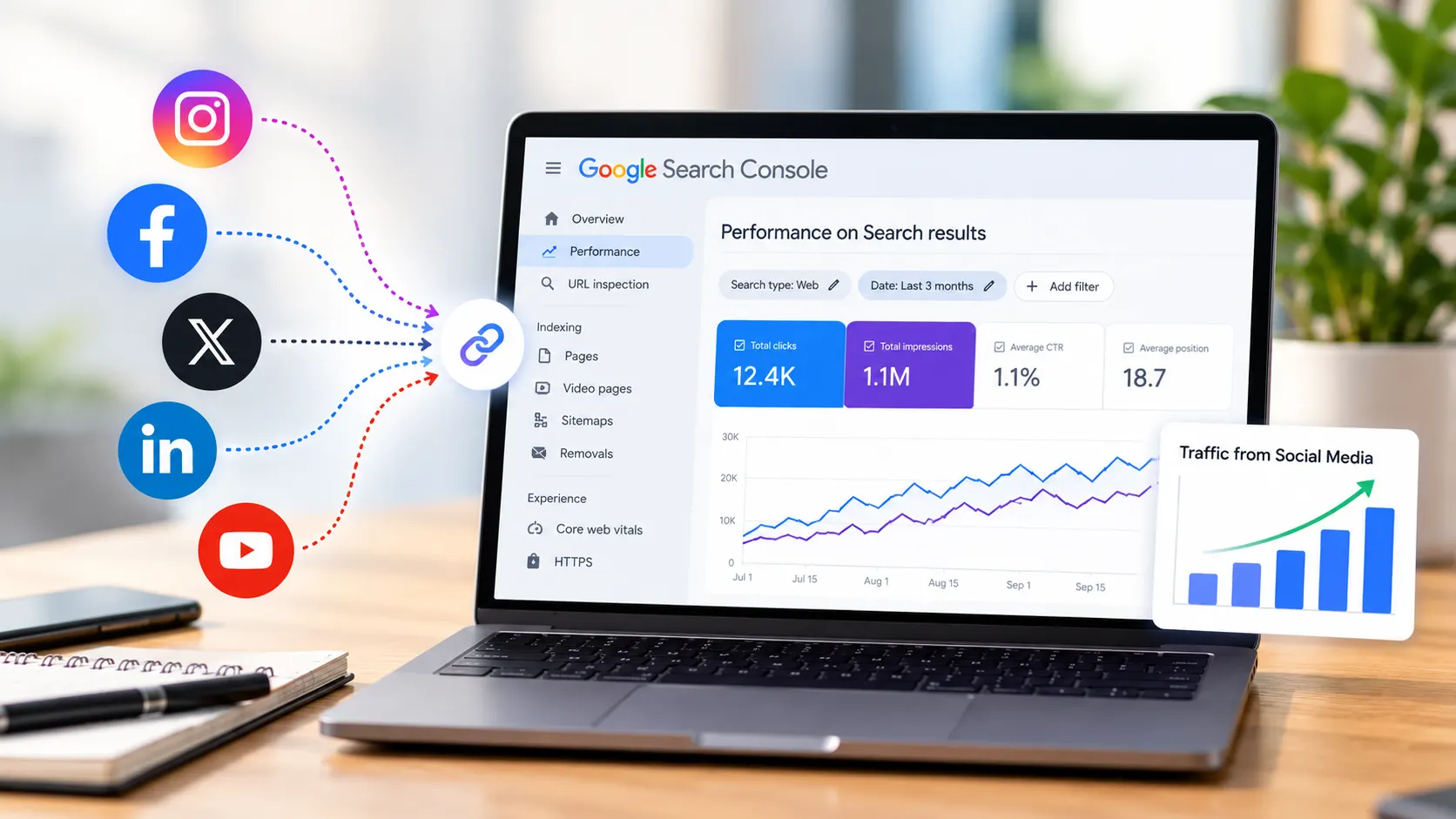
How to Add Social Media to Google Search Console and Track Their Performance
Learn how Google Search Console handles social media, what platform properties can track, and how to measure social performance alongside your website's organic search data.

Shraddha Thuwal
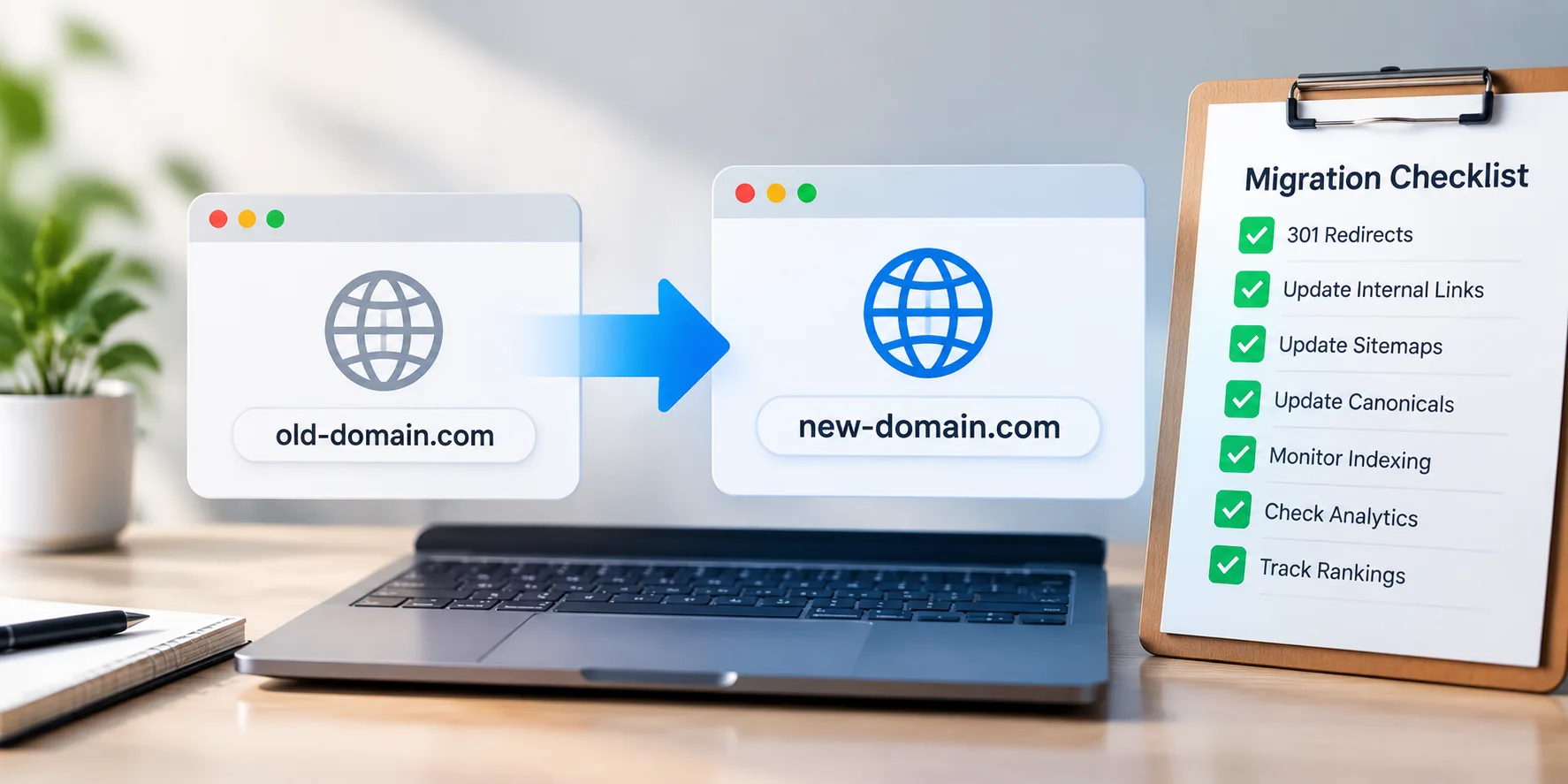
Domain Migration Checklist: A Step-by-Step Guide to Protect Rankings and Traffic
A successful domain migration requires careful SEO planning. Follow this checklist to manage redirects, preserve rankings, protect traffic, and avoid common migration issues.
Shraddha Thuwal
How to Track Salesforce AppExchange Rankings and Improve Your App’s Visibility
Track your AppExchange rankings, identify keyword opportunities, and optimize your Salesforce listing to improve marketplace visibility, attract qualified buyers, and drive more installs.
Ashish Kamathi, SEO Expert
How to Add Social Media to Google Search Console and Track Their Performance
Learn how Google Search Console handles social media, what platform properties can track, and how to measure social performance alongside your website's organic search data.
Shraddha Thuwal
Get Visibility, Everywhere



























Just drop us your email and we’ll reach out
Get Visibility, Everywhere
Just drop us your email and we’ll reach out
Get Visibility, Everywhere
Just drop us your email and we’ll reach out
Our weekly newsletter contains insights from strategies we use for our clients. We don’t spam.
Copyright © 2026 Vryse
Our weekly newsletter contains insights from strategies we use for our clients. We don’t spam.
Copyright © 2026 Vryse