Informational
Informational
What Is White Label SEO? A Complete Guide
What Is White Label SEO? A Complete Guide
Discover how white label SEO helps agencies expand services, deliver expert SEO solutions, and scale efficiently with content, technical SEO, local SEO, and AI search support.

Ashish Kamathi, SEO Expert

Running a digital marketing agency means constantly managing the tension between what clients need and what your team can actually deliver. A client asks for technical SEO, content strategy, link building, and now AI visibility optimisation, all at once, all under your brand. Hiring specialists for every discipline is expensive and slow. Saying no to scope means leaving revenue on the table. White-label SEO is how most agencies resolve that tension, and understanding it well is what separates agencies that use it strategically from those that use it reactively.
This guide covers exactly what white label SEO is, how it works in practice, the different models available, and how to evaluate whether it is the right structure for your agency in 2026.
What Is White Label SEO?
White-label SEO is a partnership in which an agency sells SEO services under its own brand, while a third-party SEO provider handles the actual work behind the scenes. This allows agencies to offer services like technical SEO, content, link building, and AI search optimisation without building a large in-house team.
The model works because SEO is a broad discipline. A single agency cannot reasonably maintain in-house expertise across technical SEO, content production at scale, link acquisition, local SEO, e-commerce optimisation, and now GEO for AI search, while simultaneously maintaining the client relationships and business development activity that keep the agency growing.
White-label SEO lets agencies offer the full breadth of services their clients need without carrying the overhead of specialists on the full-time payroll.
How White Label SEO Works in Practice
The mechanics are straightforward. Your agency signs a client, agrees on deliverables, and manages the client relationship. For the SEO work itself, your agency briefs a white-label provider, who executes and delivers the output back to you. You review, apply your branding where necessary, and deliver to the client. The profit margin is the difference between what you charge the client and what you pay the white-label provider.
A small digital marketing agency with 20 clients each needing four blog posts per month, for example, needs 80 pieces of optimised content monthly. Building a content team internally requires hiring writers, editors, SEO reviewers, and a content manager. The overhead is significant before a single article is delivered. A white-label content and SEO partner handles the production at a per-unit cost, and the agency delivers finished articles to clients at a markup.
The scope of white-label relationships can extend far beyond content. Depending on the provider, agencies can white-label technical SEO audits, link-building campaigns, local citation management, account management, SEO strategy, and client reporting. Some agencies white-label their entire SEO operation and focus exclusively on client acquisition and relationship management.
Types of White Label SEO Services
White label SEO covers multiple services that agencies can outsource based on their expertise, team size, and client requirements.
Main Types of White Label SEO Services
White Label Content & On-Page SEO
White Label Technical SEO
White Label Link Building
White Label SEO Reporting
White Label GEO & AI Search Services
Now let’s understand each service type in detail.
1. White Label Content & On-Page SEO
This is one of the most commonly outsourced SEO services. Agencies partner with content specialists for keyword research, content briefs, SEO blog writing, product pages, and on-page optimisation. The final content is delivered under the agency’s branding and content standards.
2. White Label Technical SEO
Technical SEO requires specialised expertise that many agencies do not maintain internally. White-label technical SEO providers help with website audits, Core Web Vitals improvements, schema markup, crawlability issues, indexing fixes, and site speed optimisation.
3. White Label Link Building
Link-building agencies handle backlink outreach, prospecting, guest posting, and relationship management to help improve a client’s domain authority and rankings. This allows agencies to offer scalable link acquisition services without building a dedicated outreach team.
4. White Label SEO Reporting
Some white-label providers focus entirely on reporting and client dashboards. They create branded SEO reports that combine ranking data, traffic insights, backlink reports, and performance tracking into client-ready dashboards under the agency’s branding.
5. White Label GEO & AI Search Services
This is one of the fastest-growing white-label SEO services in 2026. GEO services focus on improving brand visibility across AI platforms like ChatGPT, Google AI Overviews, Gemini, and Perplexity. These services include AI visibility audits, citation tracking, structured data optimisation, and AI search reporting.
Why Agencies Use White Label SEO
White label SEO helps agencies scale services, reduce operational pressure, and offer specialised SEO solutions without building large internal teams.
Scale client services without increasing full-time hiring costs
Access experienced SEO specialists for technical and advanced SEO work
Save time on execution and focus more on client relationships and growth
Expand service offerings without building new departments internally
Improve client retention by offering complete digital marketing solutions
Reduce training and operational overhead for fast-changing SEO trends
Offer advanced services like GEO and AI search optimisation without in-house expertise
White Label SEO vs Outsourcing: What Is the Difference?
White label SEO and outsourcing are often treated as the same thing, but there is an important difference between the two models. The biggest distinction is how the work is presented to the client and who manages the client relationship.
Feature | White Label SEO | Outsourcing |
Client Visibility | The third-party provider remains hidden | Clients may know external providers are involved |
Branding | Work is delivered under the agency’s branding | Work may include the provider’s branding |
Client Communication | The agency handles all communication | Communication may involve the external provider |
Main Purpose | Helps agencies scale services under their own brand | Mainly used to reduce workload or operational costs |
Quality Control | Agency reviews and owns final deliverables | Depends on the outsourcing setup |
Final Thoughts
White label SEO is one of the most practical business models in digital marketing because it aligns what agencies are actually good at, client relationships and strategy, with what specialist partners are good at, technical execution at scale. The model is not a compromise. When structured well, it delivers better outcomes for clients than a generalist in-house team would.
The agencies that use white-label SEO most effectively treat their partners as an extension of their team, not as a commodity vendor. They invest in briefing quality, review deliverables before client delivery, and maintain clear ownership of the strategic direction. That combination of specialist execution and agency-side ownership is what produces genuinely strong results.
Running a digital marketing agency means constantly managing the tension between what clients need and what your team can actually deliver. A client asks for technical SEO, content strategy, link building, and now AI visibility optimisation, all at once, all under your brand. Hiring specialists for every discipline is expensive and slow. Saying no to scope means leaving revenue on the table. White-label SEO is how most agencies resolve that tension, and understanding it well is what separates agencies that use it strategically from those that use it reactively.
This guide covers exactly what white label SEO is, how it works in practice, the different models available, and how to evaluate whether it is the right structure for your agency in 2026.
What Is White Label SEO?
White-label SEO is a partnership in which an agency sells SEO services under its own brand, while a third-party SEO provider handles the actual work behind the scenes. This allows agencies to offer services like technical SEO, content, link building, and AI search optimisation without building a large in-house team.
The model works because SEO is a broad discipline. A single agency cannot reasonably maintain in-house expertise across technical SEO, content production at scale, link acquisition, local SEO, e-commerce optimisation, and now GEO for AI search, while simultaneously maintaining the client relationships and business development activity that keep the agency growing.
White-label SEO lets agencies offer the full breadth of services their clients need without carrying the overhead of specialists on the full-time payroll.
How White Label SEO Works in Practice
The mechanics are straightforward. Your agency signs a client, agrees on deliverables, and manages the client relationship. For the SEO work itself, your agency briefs a white-label provider, who executes and delivers the output back to you. You review, apply your branding where necessary, and deliver to the client. The profit margin is the difference between what you charge the client and what you pay the white-label provider.
A small digital marketing agency with 20 clients each needing four blog posts per month, for example, needs 80 pieces of optimised content monthly. Building a content team internally requires hiring writers, editors, SEO reviewers, and a content manager. The overhead is significant before a single article is delivered. A white-label content and SEO partner handles the production at a per-unit cost, and the agency delivers finished articles to clients at a markup.
The scope of white-label relationships can extend far beyond content. Depending on the provider, agencies can white-label technical SEO audits, link-building campaigns, local citation management, account management, SEO strategy, and client reporting. Some agencies white-label their entire SEO operation and focus exclusively on client acquisition and relationship management.
Types of White Label SEO Services
White label SEO covers multiple services that agencies can outsource based on their expertise, team size, and client requirements.
Main Types of White Label SEO Services
White Label Content & On-Page SEO
White Label Technical SEO
White Label Link Building
White Label SEO Reporting
White Label GEO & AI Search Services
Now let’s understand each service type in detail.
1. White Label Content & On-Page SEO
This is one of the most commonly outsourced SEO services. Agencies partner with content specialists for keyword research, content briefs, SEO blog writing, product pages, and on-page optimisation. The final content is delivered under the agency’s branding and content standards.
2. White Label Technical SEO
Technical SEO requires specialised expertise that many agencies do not maintain internally. White-label technical SEO providers help with website audits, Core Web Vitals improvements, schema markup, crawlability issues, indexing fixes, and site speed optimisation.
3. White Label Link Building
Link-building agencies handle backlink outreach, prospecting, guest posting, and relationship management to help improve a client’s domain authority and rankings. This allows agencies to offer scalable link acquisition services without building a dedicated outreach team.
4. White Label SEO Reporting
Some white-label providers focus entirely on reporting and client dashboards. They create branded SEO reports that combine ranking data, traffic insights, backlink reports, and performance tracking into client-ready dashboards under the agency’s branding.
5. White Label GEO & AI Search Services
This is one of the fastest-growing white-label SEO services in 2026. GEO services focus on improving brand visibility across AI platforms like ChatGPT, Google AI Overviews, Gemini, and Perplexity. These services include AI visibility audits, citation tracking, structured data optimisation, and AI search reporting.
Why Agencies Use White Label SEO
White label SEO helps agencies scale services, reduce operational pressure, and offer specialised SEO solutions without building large internal teams.
Scale client services without increasing full-time hiring costs
Access experienced SEO specialists for technical and advanced SEO work
Save time on execution and focus more on client relationships and growth
Expand service offerings without building new departments internally
Improve client retention by offering complete digital marketing solutions
Reduce training and operational overhead for fast-changing SEO trends
Offer advanced services like GEO and AI search optimisation without in-house expertise
White Label SEO vs Outsourcing: What Is the Difference?
White label SEO and outsourcing are often treated as the same thing, but there is an important difference between the two models. The biggest distinction is how the work is presented to the client and who manages the client relationship.
Feature | White Label SEO | Outsourcing |
Client Visibility | The third-party provider remains hidden | Clients may know external providers are involved |
Branding | Work is delivered under the agency’s branding | Work may include the provider’s branding |
Client Communication | The agency handles all communication | Communication may involve the external provider |
Main Purpose | Helps agencies scale services under their own brand | Mainly used to reduce workload or operational costs |
Quality Control | Agency reviews and owns final deliverables | Depends on the outsourcing setup |
Final Thoughts
White label SEO is one of the most practical business models in digital marketing because it aligns what agencies are actually good at, client relationships and strategy, with what specialist partners are good at, technical execution at scale. The model is not a compromise. When structured well, it delivers better outcomes for clients than a generalist in-house team would.
The agencies that use white-label SEO most effectively treat their partners as an extension of their team, not as a commodity vendor. They invest in briefing quality, review deliverables before client delivery, and maintain clear ownership of the strategic direction. That combination of specialist execution and agency-side ownership is what produces genuinely strong results.
Frequently Asked Questions
Frequently Asked Questions
Is white-label SEO ethical?
Yes. White-label SEO is a common and accepted practice where agencies use specialist partners to deliver SEO services under their own brand.
How can agencies maintain quality control?
Agencies should provide clear briefs, review all deliverables before sending them to clients, and regularly monitor performance and quality standards.
Can white-label SEO include GEO and AI search services?
Yes. Many white-label providers now offer GEO services, AI visibility audits, AI content optimisation, and citation tracking alongside traditional SEO.
How is white-label SEO different from SEO reselling?
In white label SEO, the provider stays completely hidden and all work is delivered under the agency’s brand. In reseller models, clients may know a third-party platform or provider is involved.
Related Articles
Related Articles
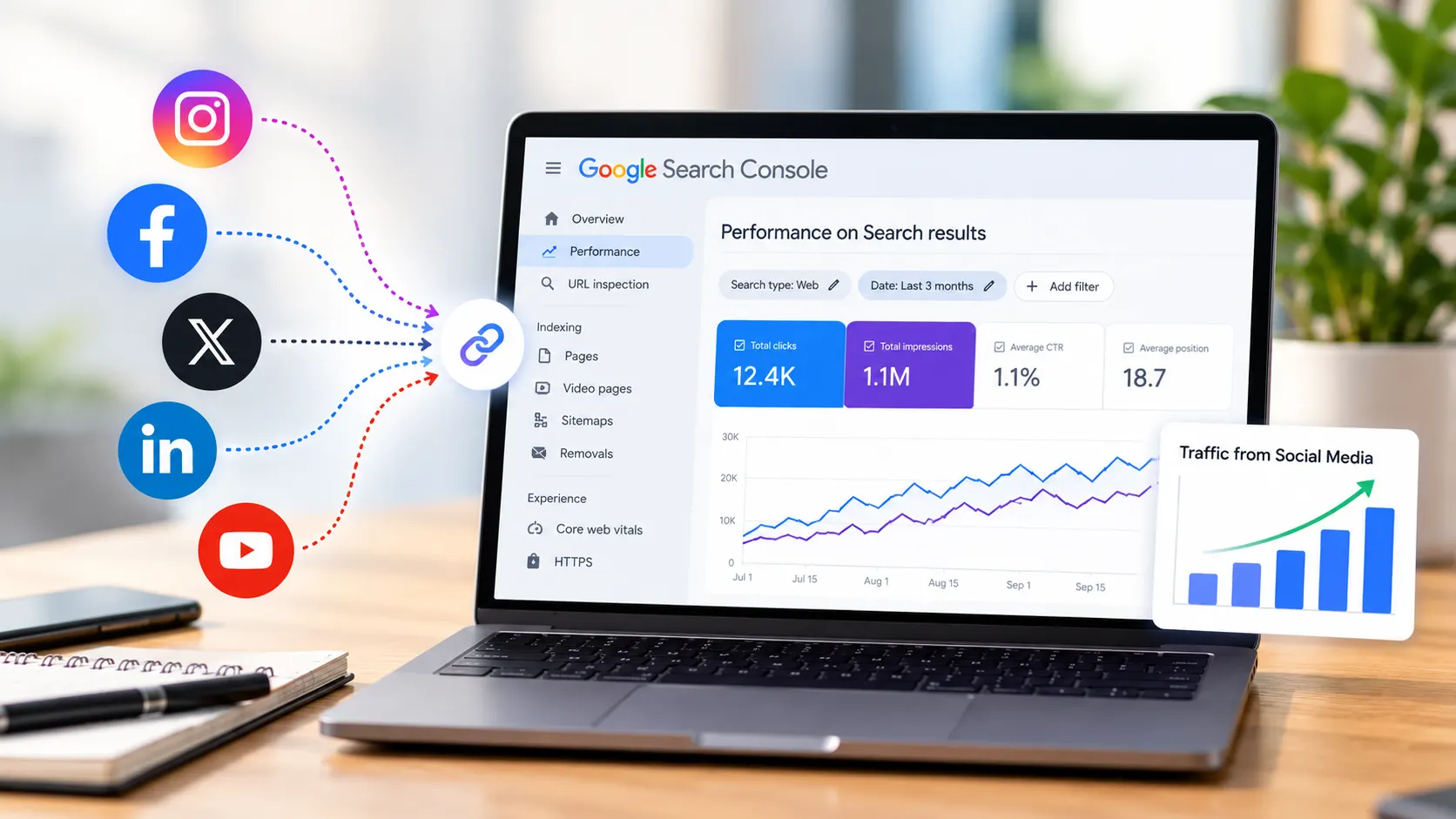
How to Add Social Media to Google Search Console and Track Their Performance
Learn how Google Search Console handles social media, what platform properties can track, and how to measure social performance alongside your website's organic search data.

Shraddha Thuwal
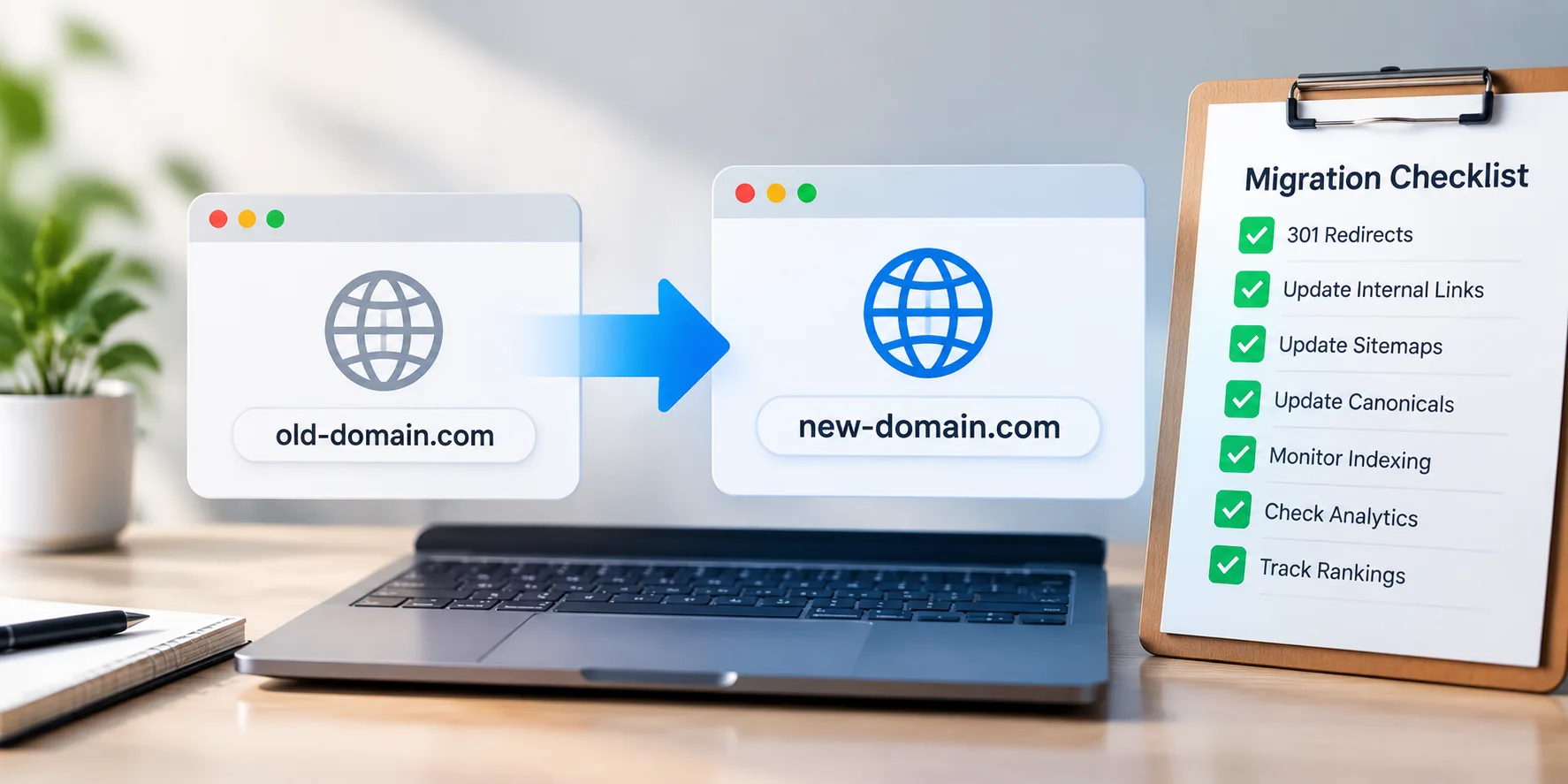
Domain Migration Checklist: A Step-by-Step Guide to Protect Rankings and Traffic
A successful domain migration requires careful SEO planning. Follow this checklist to manage redirects, preserve rankings, protect traffic, and avoid common migration issues.
Shraddha Thuwal
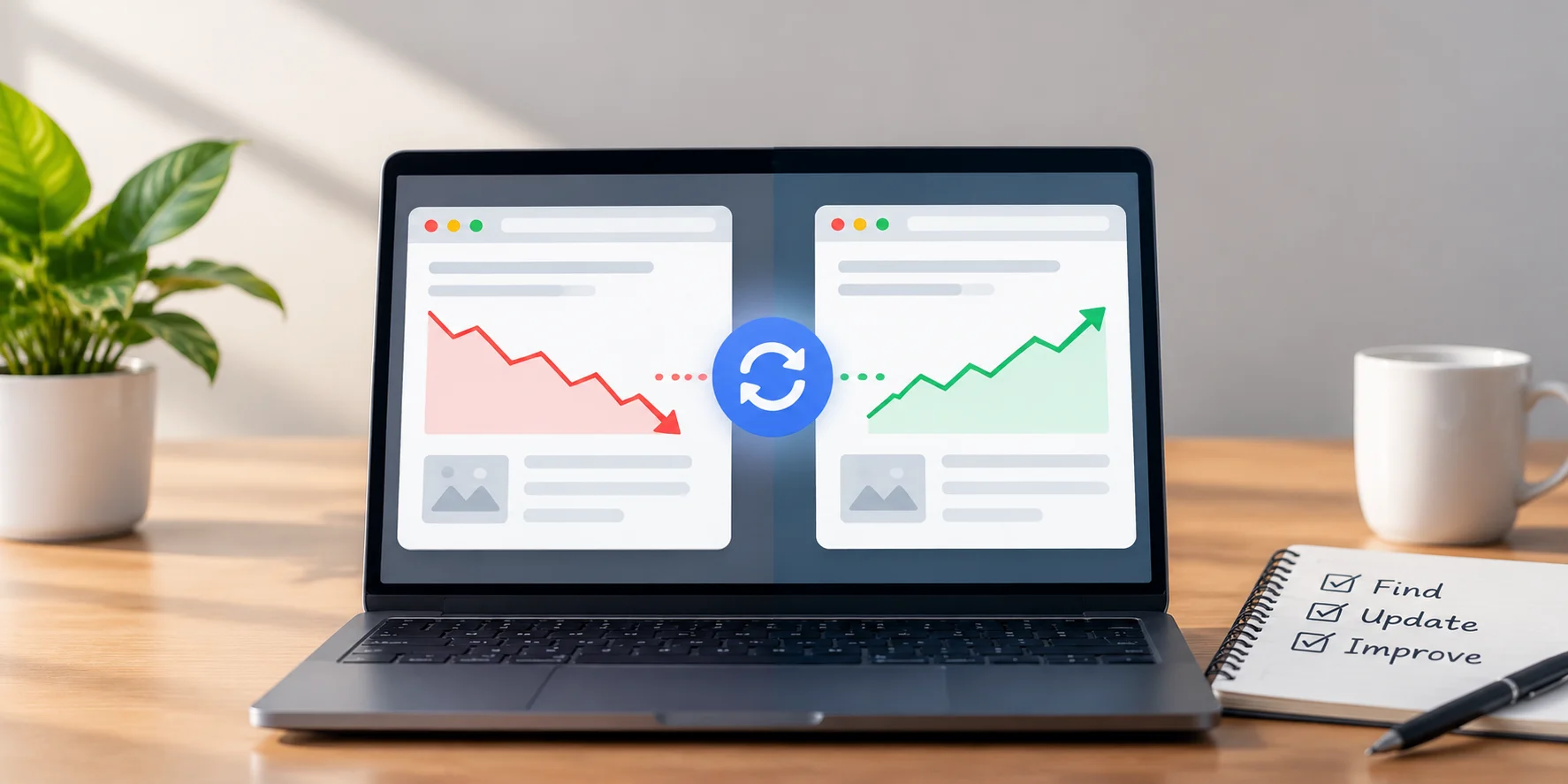
Content Decay: How to Find and Refresh Declining Pages
Content decay can reduce rankings, traffic, and AI visibility over time. Learn how to find declining pages, identify causes, and refresh content with proven SEO strategies.
Shraddha Thuwal
How to Add Social Media to Google Search Console and Track Their Performance
Learn how Google Search Console handles social media, what platform properties can track, and how to measure social performance alongside your website's organic search data.
Shraddha Thuwal
Domain Migration Checklist: A Step-by-Step Guide to Protect Rankings and Traffic
A successful domain migration requires careful SEO planning. Follow this checklist to manage redirects, preserve rankings, protect traffic, and avoid common migration issues.
Shraddha Thuwal
Get Visibility, Everywhere



























Just drop us your email and we’ll reach out
Get Visibility, Everywhere
Just drop us your email and we’ll reach out
Get Visibility, Everywhere
Just drop us your email and we’ll reach out
Our weekly newsletter contains insights from strategies we use for our clients. We don’t spam.
Copyright © 2026 Vryse
Our weekly newsletter contains insights from strategies we use for our clients. We don’t spam.
Copyright © 2026 Vryse