General SEO
General SEO
Semantic SEO Explained for AI Search
Semantic SEO Explained for AI Search
Discover how semantic SEO helps search engines and AI platforms understand topic relationships, user intent, and content context to improve visibility and authority.

Ashish Kamathi, SEO Expert
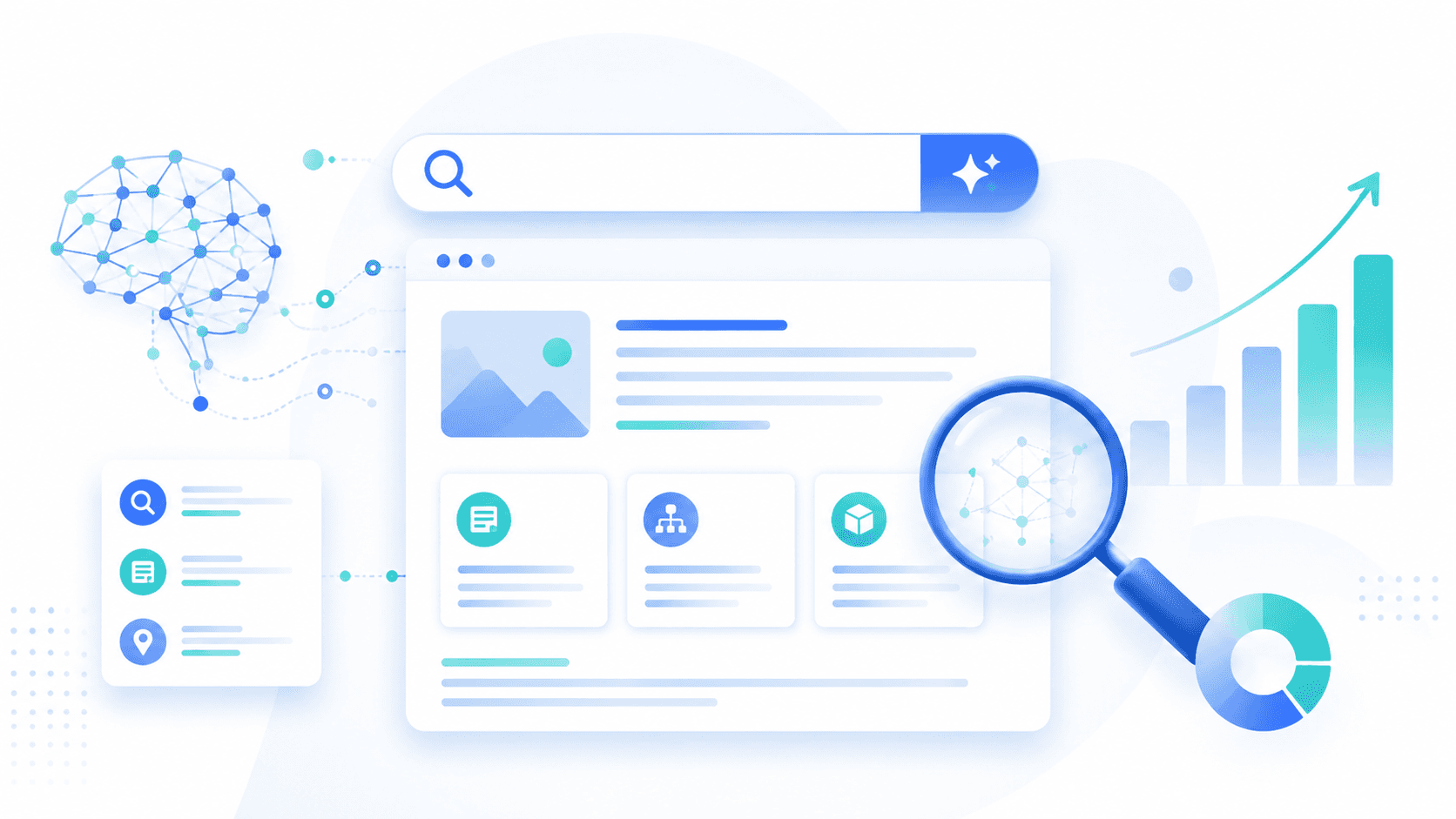
Semantic SEO is the practice of optimising content around the meaning and context of a topic rather than individual keywords. Instead of targeting isolated search terms, a semantic SEO strategy builds comprehensive, interconnected content that helps Google and AI engines understand what your site is about, who it serves, and why it is the most authoritative source on a subject.
Key Takeaways
Semantic SEO has been a core Google ranking principle since the 2013 Hummingbird update, which shifted the algorithm from keyword matching to topic understanding.
Semantic keyword clustering is the foundation of a semantic content strategy. It groups related queries by intent rather than by individual keyword volume.
AI engines do not match keywords. They retrieve content that most comprehensively answers a topic. Semantic SEO is what makes your content retrievable.
According to Gartner, traditional search volume is projected to fall 25% by the end of 2026 as users shift to conversational AI for answers.
What is Semantic SEO?
Semantic SEO is the process of structuring your content around topics, entities, and user intent rather than individual keywords. The goal is to give search engines and AI platforms a complete, contextually rich picture of what a page or site is about.
A page optimised semantically does not just repeat a target keyword. It answers the full range of questions a user might have on that topic. It uses related terms, covers adjacent concepts, and links to other content on the same subject. Together, these signals tell Google that this page, and this site, genuinely understands the topic rather than just targeting a phrase.
The practical difference between keyword SEO and semantic SEO is coverage. Keyword SEO asks: what phrase do people search? Semantic SEO asks: what does the person actually need to know, and how does that connect to everything else we have written on the subject?
Understanding what generative engine optimisation means helps clarify why semantic SEO has become the bridge between traditional search and AI visibility. LLMs retrieve from sources that demonstrate comprehensive, structured subject matter expertise. That is semantic SEO in practice.
Why Does Semantic SEO Matter More for AI Search Than Traditional Search?
Google's traditional algorithm has always rewarded relevance and authority. AI search changes the underlying mechanism. A traditional search engine ranks pages. An AI engine assembles answers. To be part of that answer, your content has to be semantically rich enough to be retrieved and cited.
According to a Seer Interactive study published in November 2025, organic CTR for informational queries fell 61% when an AI Overview appeared in the results, tracking 25.1 million impressions across 3,119 queries from June 2024 to September 2025. The same study found that brands cited within AI Overviews earned 35% more organic clicks than those not cited on the same queries.
Being cited in an AI Overview is now a meaningful traffic differentiator and citation is not primarily a function of rankings. A BrightEdge study tracking 9 industries from May 2024 to September 2025 found that only 17% of AI Overview citations come from pages ranking in the organic top 10. Roughly five out of six citations pull from content that does not appear on page one of traditional results at all. This means semantic content depth and topical coverage are doing the selection work that rankings alone cannot do.
What is a Semantic Content Strategy?
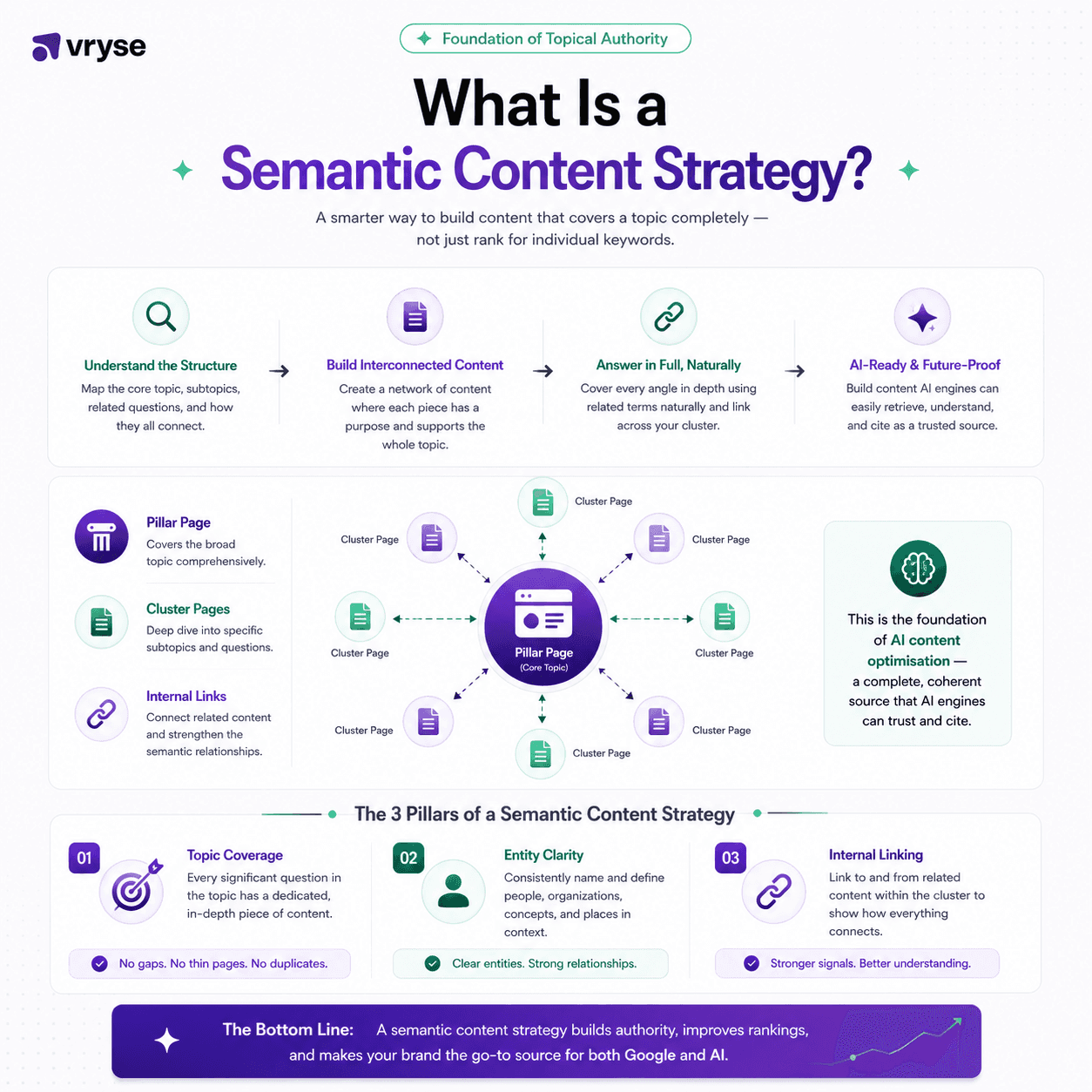
A semantic content strategy is a plan for building content that covers a topic completely rather than targeting isolated queries one article at a time. It starts with understanding how a subject is structured: what the core concept is, what subtopics branch from it, what questions arise at each level, and how all of those pieces relate to each other.
The output is a network of interconnected content. A pillar page covers the broad subject. Cluster pages go deep on individual angles. Each piece answers specific questions in full, uses semantically related terms naturally, and links to adjacent content across the cluster.
This is what AI content optimisation best practices point toward: building content that an AI engine can retrieve, synthesise, and cite as a coherent source rather than a collection of individual keyword pages.
The three pillars of a semantic content strategy are:
Topic coverage: Every significant question in a subject area has a dedicated piece of content that answers it in full. No gaps, no thin pages, no duplicate angles.
Entity clarity: The content consistently names and defines the entities in a subject. People, organisations, concepts, and places are referenced clearly and in context, giving search engines the signals they need to understand the relationships between them.
Internal linking: Every piece of content within a cluster links to and from related pieces. This tells Google and AI engines how the content is organised and reinforces the semantic relationships between pages.
How to do Semantic SEO: A Practical Framework
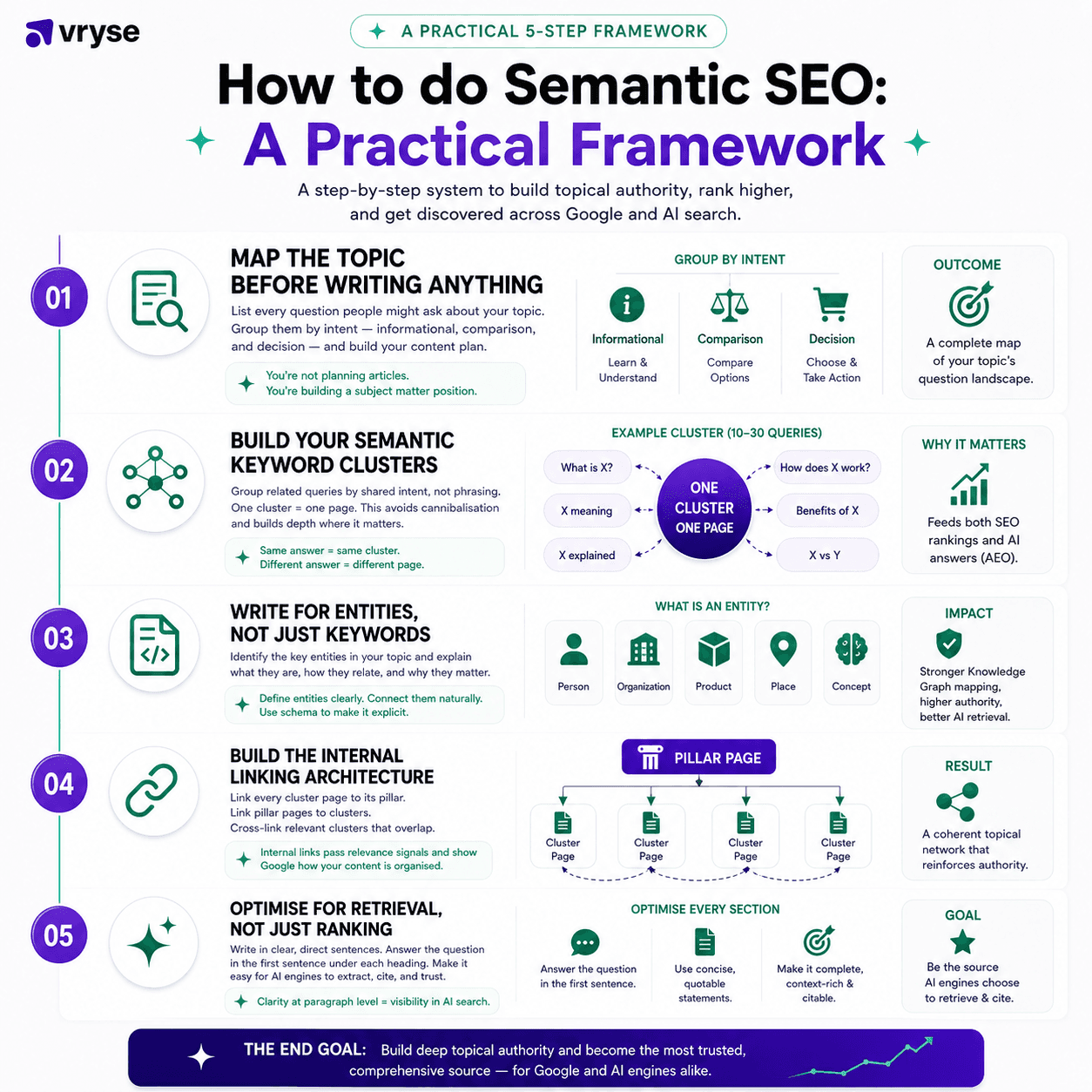
Step 1: Map the Topic Before Writing Anything
Start with the subject you want to own. List every question a person might ask about it. Group those questions by intent: informational questions sit in one group, comparison questions in another, and decision or purchase intent questions in a third. This map becomes your content plan.
This stage is inseparable from how topical authority SEO works: you are not planning individual articles. You are planning a subject matter position.
Step 2: Build Your Semantic Keyword Clusters
Semantic keyword clustering is the process of grouping related search queries by shared intent rather than shared phrasing. A cluster might contain 10 to 30 queries that all seek the same underlying answer, even though the phrasing varies across each one.
One piece of content targets one cluster. This is how you avoid cannibalisation, build depth on every topic, and give Google a clear signal about what each page covers.
Keyword clustering is not the same as broad topic grouping. Within a cluster, every query should be answerable by the same page. Across clusters, every page should cover a distinct angle. The line between them is intent: if two queries want the same answer, they belong in the same cluster. If they want different answers, they need separate pages.
Understanding the difference between AEO and SEO is useful here. AEO optimises for featured answers and direct retrieval. Semantic keyword clustering feeds both: it ensures every cluster has a page that can be lifted and cited by AI engines, not just ranked by traditional algorithms.
Step 3: Write for Entities, not Just Keywords
Traditional SEO puts a keyword in the title, the H1, and a target number of times across the body. Semantic SEO identifies the entities in a topic and makes sure the content explains what they are, how they relate to each other, and why they matter.
An entity is any clearly defined thing: a concept, a person, an organisation, a product, a place. When a piece of content defines an entity clearly, uses it consistently, and connects it to related entities, Google can map it to its Knowledge Graph. That mapping strengthens your topical authority and makes your content more retrievable by AI systems.
Structured data markup accelerates this process. Marking up entities with schema tells search engines explicitly what a piece of content is about and who produced it, rather than leaving those signals to be inferred from text alone.
Step 4: Build the Internal Linking Architecture
Every piece of content in a semantic cluster should link to the pillar page. Every pillar page should link to its cluster pages. Relevant clusters should cross-link where the subject matter overlaps.
This is not decorative. Internal links pass topical relevance signals between pages. They tell Google how your content is organised and which pages are most central to a subject. A well-linked cluster functions as a single, coherent topical resource rather than a collection of separate articles.
Vryse's guide to content silo structure in SEO covers how to architect these relationships so they reinforce rather than dilute topical authority.
Step 5: Optimise for Retrieval, not Just Ranking
In AI search, the question is not whether your page ranks. It is whether the content is structured in a way that an AI engine can extract a complete, citable answer from it.
That means writing in clear, direct sentences. It means answering the heading question in the first sentence under each section. It means using concise, quotable statements that an AI model can lift and attribute without context loss. Paragraph level clarity matters as much as page level relevance.
Semantic SEO is the practice of optimising content around the meaning and context of a topic rather than individual keywords. Instead of targeting isolated search terms, a semantic SEO strategy builds comprehensive, interconnected content that helps Google and AI engines understand what your site is about, who it serves, and why it is the most authoritative source on a subject.
Key Takeaways
Semantic SEO has been a core Google ranking principle since the 2013 Hummingbird update, which shifted the algorithm from keyword matching to topic understanding.
Semantic keyword clustering is the foundation of a semantic content strategy. It groups related queries by intent rather than by individual keyword volume.
AI engines do not match keywords. They retrieve content that most comprehensively answers a topic. Semantic SEO is what makes your content retrievable.
According to Gartner, traditional search volume is projected to fall 25% by the end of 2026 as users shift to conversational AI for answers.
What is Semantic SEO?
Semantic SEO is the process of structuring your content around topics, entities, and user intent rather than individual keywords. The goal is to give search engines and AI platforms a complete, contextually rich picture of what a page or site is about.
A page optimised semantically does not just repeat a target keyword. It answers the full range of questions a user might have on that topic. It uses related terms, covers adjacent concepts, and links to other content on the same subject. Together, these signals tell Google that this page, and this site, genuinely understands the topic rather than just targeting a phrase.
The practical difference between keyword SEO and semantic SEO is coverage. Keyword SEO asks: what phrase do people search? Semantic SEO asks: what does the person actually need to know, and how does that connect to everything else we have written on the subject?
Understanding what generative engine optimisation means helps clarify why semantic SEO has become the bridge between traditional search and AI visibility. LLMs retrieve from sources that demonstrate comprehensive, structured subject matter expertise. That is semantic SEO in practice.
Why Does Semantic SEO Matter More for AI Search Than Traditional Search?
Google's traditional algorithm has always rewarded relevance and authority. AI search changes the underlying mechanism. A traditional search engine ranks pages. An AI engine assembles answers. To be part of that answer, your content has to be semantically rich enough to be retrieved and cited.
According to a Seer Interactive study published in November 2025, organic CTR for informational queries fell 61% when an AI Overview appeared in the results, tracking 25.1 million impressions across 3,119 queries from June 2024 to September 2025. The same study found that brands cited within AI Overviews earned 35% more organic clicks than those not cited on the same queries.
Being cited in an AI Overview is now a meaningful traffic differentiator and citation is not primarily a function of rankings. A BrightEdge study tracking 9 industries from May 2024 to September 2025 found that only 17% of AI Overview citations come from pages ranking in the organic top 10. Roughly five out of six citations pull from content that does not appear on page one of traditional results at all. This means semantic content depth and topical coverage are doing the selection work that rankings alone cannot do.
What is a Semantic Content Strategy?
A semantic content strategy is a plan for building content that covers a topic completely rather than targeting isolated queries one article at a time. It starts with understanding how a subject is structured: what the core concept is, what subtopics branch from it, what questions arise at each level, and how all of those pieces relate to each other.
The output is a network of interconnected content. A pillar page covers the broad subject. Cluster pages go deep on individual angles. Each piece answers specific questions in full, uses semantically related terms naturally, and links to adjacent content across the cluster.
This is what AI content optimisation best practices point toward: building content that an AI engine can retrieve, synthesise, and cite as a coherent source rather than a collection of individual keyword pages.
The three pillars of a semantic content strategy are:
Topic coverage: Every significant question in a subject area has a dedicated piece of content that answers it in full. No gaps, no thin pages, no duplicate angles.
Entity clarity: The content consistently names and defines the entities in a subject. People, organisations, concepts, and places are referenced clearly and in context, giving search engines the signals they need to understand the relationships between them.
Internal linking: Every piece of content within a cluster links to and from related pieces. This tells Google and AI engines how the content is organised and reinforces the semantic relationships between pages.
How to do Semantic SEO: A Practical Framework
Step 1: Map the Topic Before Writing Anything
Start with the subject you want to own. List every question a person might ask about it. Group those questions by intent: informational questions sit in one group, comparison questions in another, and decision or purchase intent questions in a third. This map becomes your content plan.
This stage is inseparable from how topical authority SEO works: you are not planning individual articles. You are planning a subject matter position.
Step 2: Build Your Semantic Keyword Clusters
Semantic keyword clustering is the process of grouping related search queries by shared intent rather than shared phrasing. A cluster might contain 10 to 30 queries that all seek the same underlying answer, even though the phrasing varies across each one.
One piece of content targets one cluster. This is how you avoid cannibalisation, build depth on every topic, and give Google a clear signal about what each page covers.
Keyword clustering is not the same as broad topic grouping. Within a cluster, every query should be answerable by the same page. Across clusters, every page should cover a distinct angle. The line between them is intent: if two queries want the same answer, they belong in the same cluster. If they want different answers, they need separate pages.
Understanding the difference between AEO and SEO is useful here. AEO optimises for featured answers and direct retrieval. Semantic keyword clustering feeds both: it ensures every cluster has a page that can be lifted and cited by AI engines, not just ranked by traditional algorithms.
Step 3: Write for Entities, not Just Keywords
Traditional SEO puts a keyword in the title, the H1, and a target number of times across the body. Semantic SEO identifies the entities in a topic and makes sure the content explains what they are, how they relate to each other, and why they matter.
An entity is any clearly defined thing: a concept, a person, an organisation, a product, a place. When a piece of content defines an entity clearly, uses it consistently, and connects it to related entities, Google can map it to its Knowledge Graph. That mapping strengthens your topical authority and makes your content more retrievable by AI systems.
Structured data markup accelerates this process. Marking up entities with schema tells search engines explicitly what a piece of content is about and who produced it, rather than leaving those signals to be inferred from text alone.
Step 4: Build the Internal Linking Architecture
Every piece of content in a semantic cluster should link to the pillar page. Every pillar page should link to its cluster pages. Relevant clusters should cross-link where the subject matter overlaps.
This is not decorative. Internal links pass topical relevance signals between pages. They tell Google how your content is organised and which pages are most central to a subject. A well-linked cluster functions as a single, coherent topical resource rather than a collection of separate articles.
Vryse's guide to content silo structure in SEO covers how to architect these relationships so they reinforce rather than dilute topical authority.
Step 5: Optimise for Retrieval, not Just Ranking
In AI search, the question is not whether your page ranks. It is whether the content is structured in a way that an AI engine can extract a complete, citable answer from it.
That means writing in clear, direct sentences. It means answering the heading question in the first sentence under each section. It means using concise, quotable statements that an AI model can lift and attribute without context loss. Paragraph level clarity matters as much as page level relevance.
Frequently Asked Questions
Frequently Asked Questions
How does semantic keyword clustering work in practice?
You start with a broad topic and list every related query your audience might search. You then group those queries by shared intent, queries that seek the same answer go into the same cluster. Each cluster becomes one piece of content. This ensures every page has clear focus, avoids cannibalisation, and covers its angle in full.
Does semantic SEO help with AI search engines like ChatGPT and Perplexity?
Yes, more directly than traditional SEO. AI engines retrieve content by semantic match: they look for pages that comprehensively cover a topic rather than pages that repeat a keyword. A strong semantic content strategy is one of the clearest ways to increase the likelihood of being cited by AI systems. Read more on how AI referral traffic has grown 527% year on year and why semantic structure is the primary lever for capturing it.
Is structured data required for semantic SEO?
It is not required, but it accelerates the process significantly. Structured data markup allows you to communicate entity relationships to search engines explicitly, rather than relying on those signals being inferred from text. For content targeting AI Overviews or AI search citations, schema markup is a meaningful advantage.
Related Articles
Related Articles
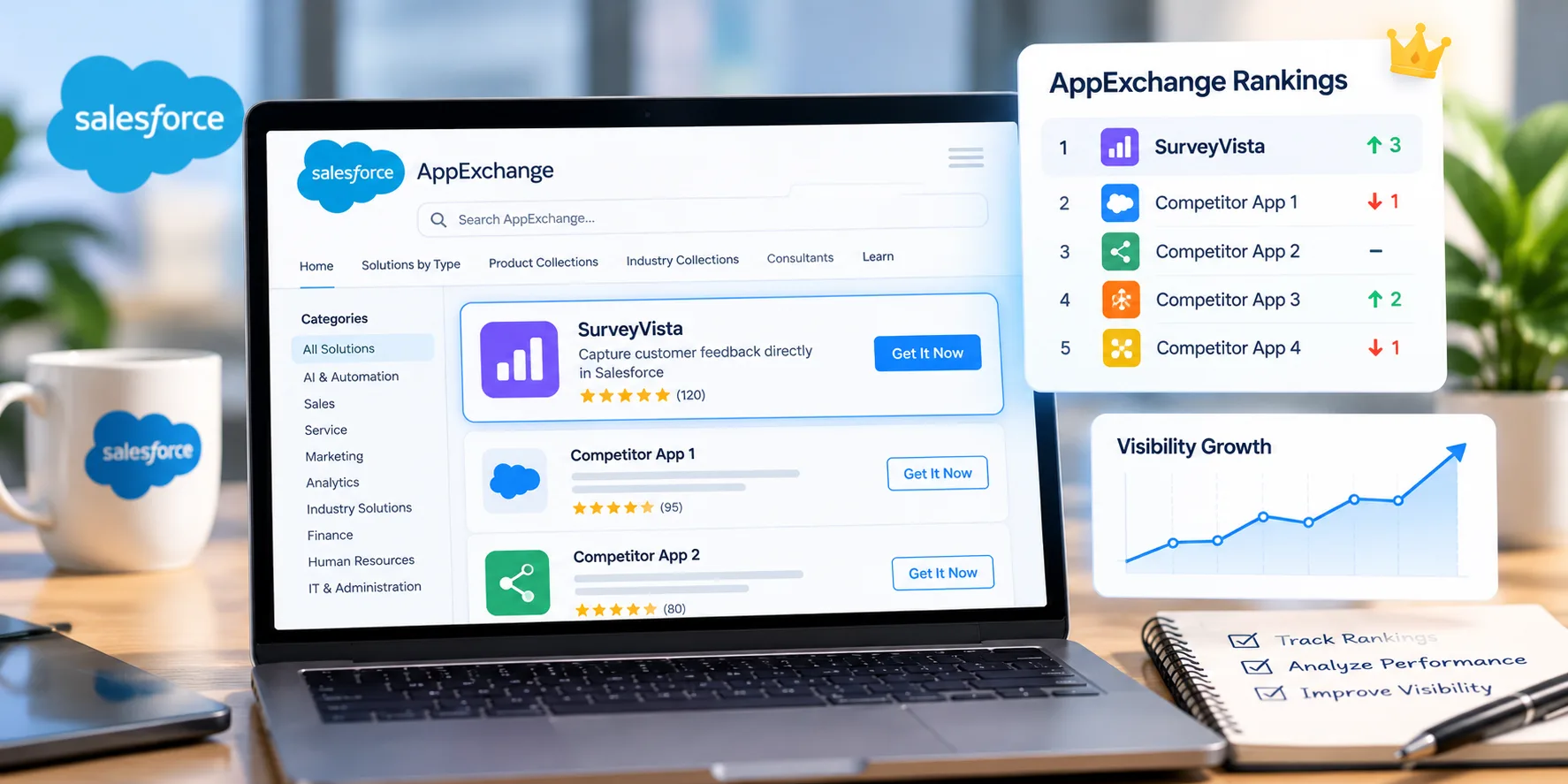
How to Track Salesforce AppExchange Rankings and Improve Your App’s Visibility
Track your AppExchange rankings, identify keyword opportunities, and optimize your Salesforce listing to improve marketplace visibility, attract qualified buyers, and drive more installs.
Ashish Kamathi, SEO Expert
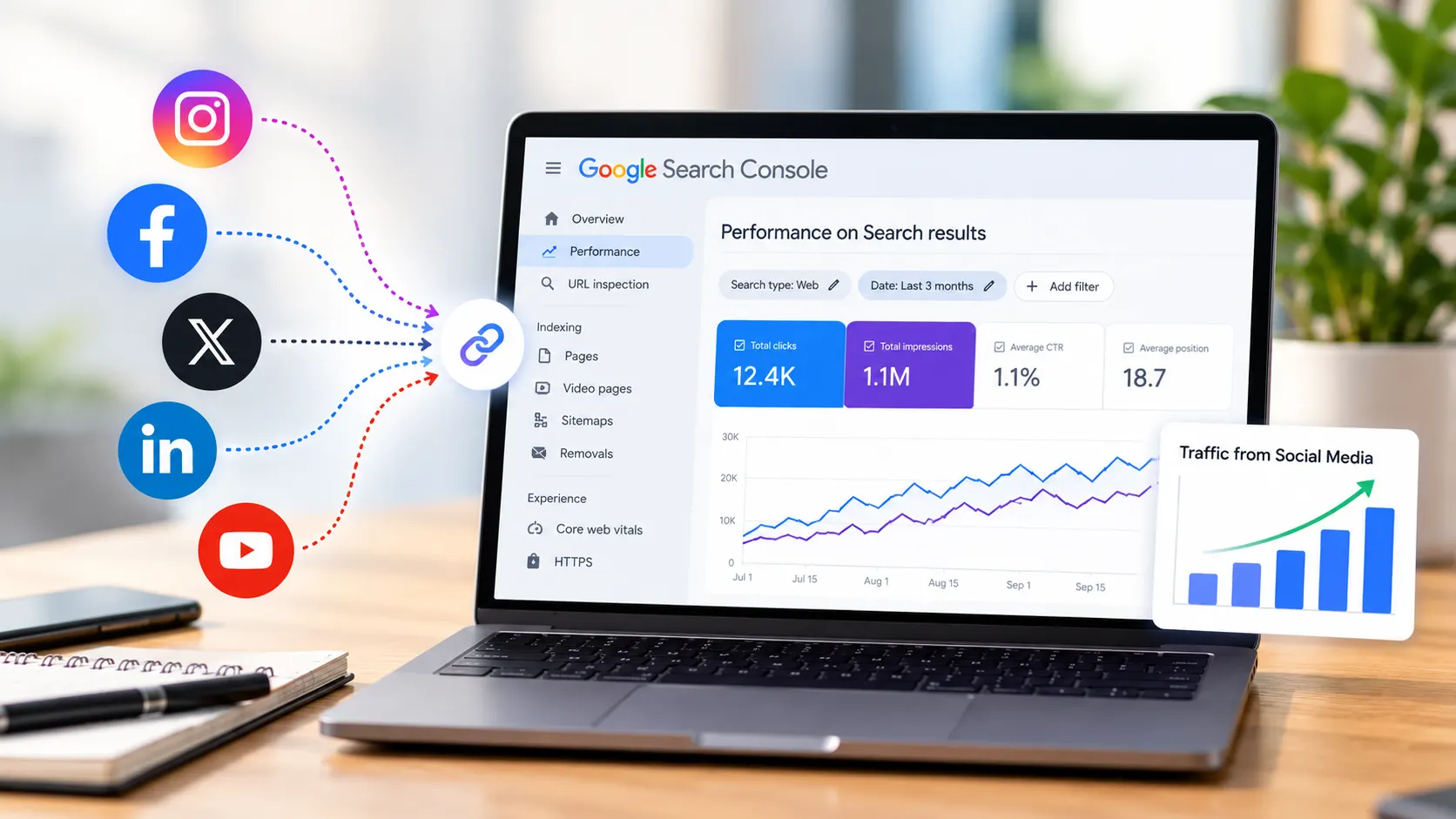
How to Add Social Media to Google Search Console and Track Their Performance
Learn how Google Search Console handles social media, what platform properties can track, and how to measure social performance alongside your website's organic search data.

Shraddha Thuwal
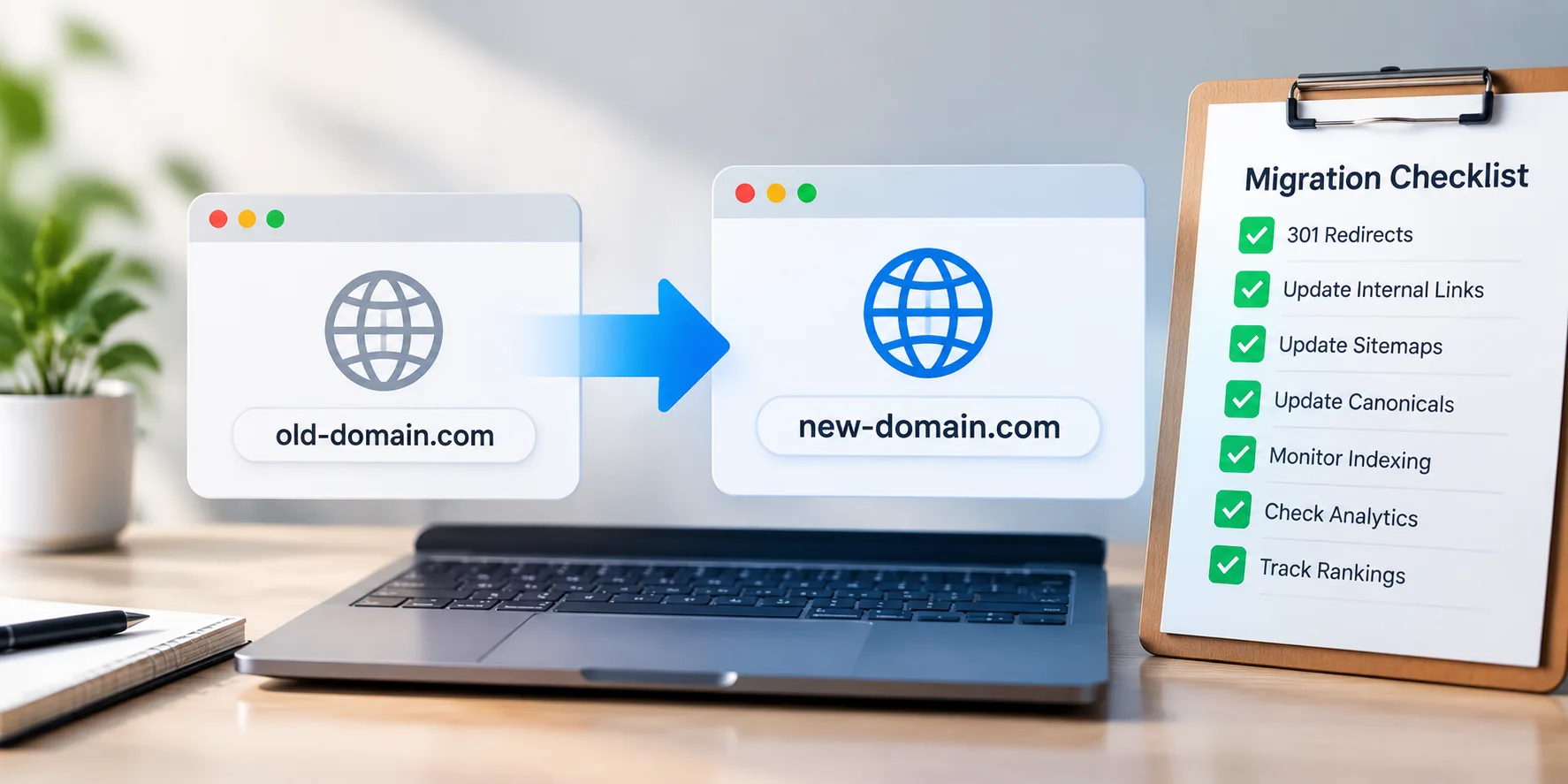
Domain Migration Checklist: A Step-by-Step Guide to Protect Rankings and Traffic
A successful domain migration requires careful SEO planning. Follow this checklist to manage redirects, preserve rankings, protect traffic, and avoid common migration issues.
Shraddha Thuwal
How to Track Salesforce AppExchange Rankings and Improve Your App’s Visibility
Track your AppExchange rankings, identify keyword opportunities, and optimize your Salesforce listing to improve marketplace visibility, attract qualified buyers, and drive more installs.
Ashish Kamathi, SEO Expert
How to Add Social Media to Google Search Console and Track Their Performance
Learn how Google Search Console handles social media, what platform properties can track, and how to measure social performance alongside your website's organic search data.
Shraddha Thuwal
Get Visibility, Everywhere



























Just drop us your email and we’ll reach out
Get Visibility, Everywhere
Just drop us your email and we’ll reach out
Get Visibility, Everywhere
Just drop us your email and we’ll reach out
Our weekly newsletter contains insights from strategies we use for our clients. We don’t spam.
Copyright © 2026 Vryse
Our weekly newsletter contains insights from strategies we use for our clients. We don’t spam.
Copyright © 2026 Vryse